
Educator Portfolio
My Teaching Philosophy
Music holds a vital place in the human experience. As a music educator, I am committed to fostering environments where students can engage with music not only as a discipline, but as a way of knowing, creating, and expressing. It is my goal to help students grow as musicians and as people who are capable of critical thought, collaboration, and cultural awareness – not just within music, but everywhere in their lives.
Process Over Product
In the past, I viewed teaching as largely content-driven, with the goal of helping students reach a predefined level of performance ability. I now believe music education must go beyond technique or product; it should invite students into a lifelong relationship with music. I teach not just to build performers, but to cultivate musical thinkers, listeners, and creators who understand music’s role in their lives and communities.
A Flexible Approach
Previously, I was drawn strongly to constructivist models and saw behaviorism as an outdated or overly rigid system. Through deeper engagement and experience, I have come to see value in multiple approaches when used intentionally. What matters most is that the instructional model aligns with the goals of the moment. Sometimes that means precision and structure; other times, it means exploration and improvisation.
Equity & Differentiation
I recognize that teaching must be responsive to the diverse learners in the room. I now see differentiation as an act of equity. Every student brings their own lived experiences, musical backgrounds, and learning needs. As a teacher, it is my responsibility to create opportunities for all learners, valuing their identities and empowering them to take ownership of their growth.
Inquiry, Technology, and Creation
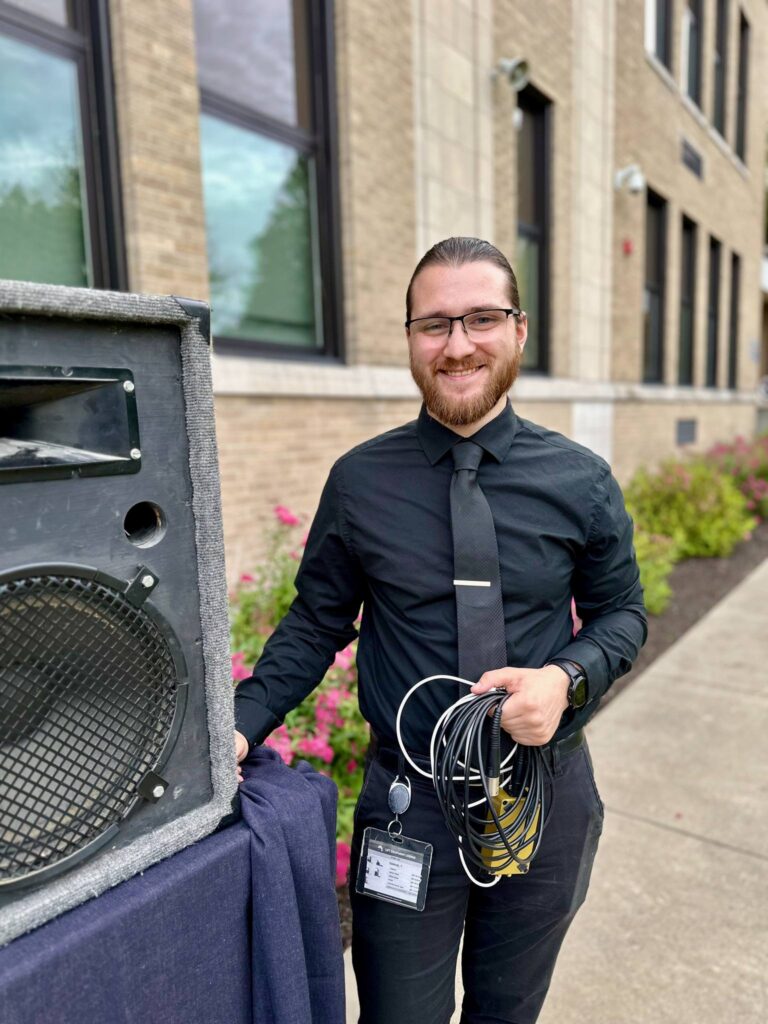
In my classroom, students learn by doing. I incorporate technology not as a novelty, but as a means to amplify student voice, expand access to creative tools, and foster collaboration. My instruction is rooted in inquiry and exploration. Students are encouraged to ask questions, take risks, and make choices. This approach supports not only musical skill development but also agency, empathy, and critical thinking.
Assessment as Affirmation
My understanding of assessment has evolved from a tool for measuring progress to a tool for teaching. I utilize formative assessment to allow for feedback, reflection, and instructional adjustment. These low-stakes opportunities help build confidence and offer students a clearer sense of their own growth. Assessment is not just about accountability; it is about affirmation, curiosity, and learning.
Community Connection
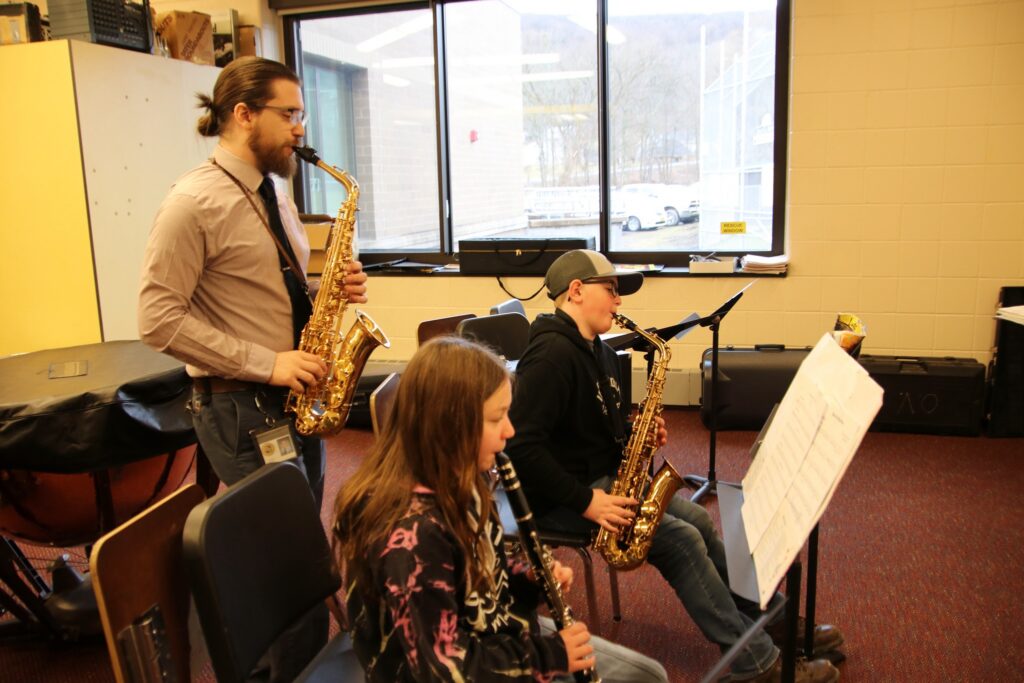
Music is inherently social, and music education thrives when students see its relevance in the world around them. I seek to connect students with real-world musical experiences through performance, interdisciplinary projects, and local cultural resources. I also see advocacy as part of my role, ensuring that music remains a vital, visible part of a well-rounded education for all students.